
Tesla Launches Driverless Cybercab Robotaxi Rides In Austin
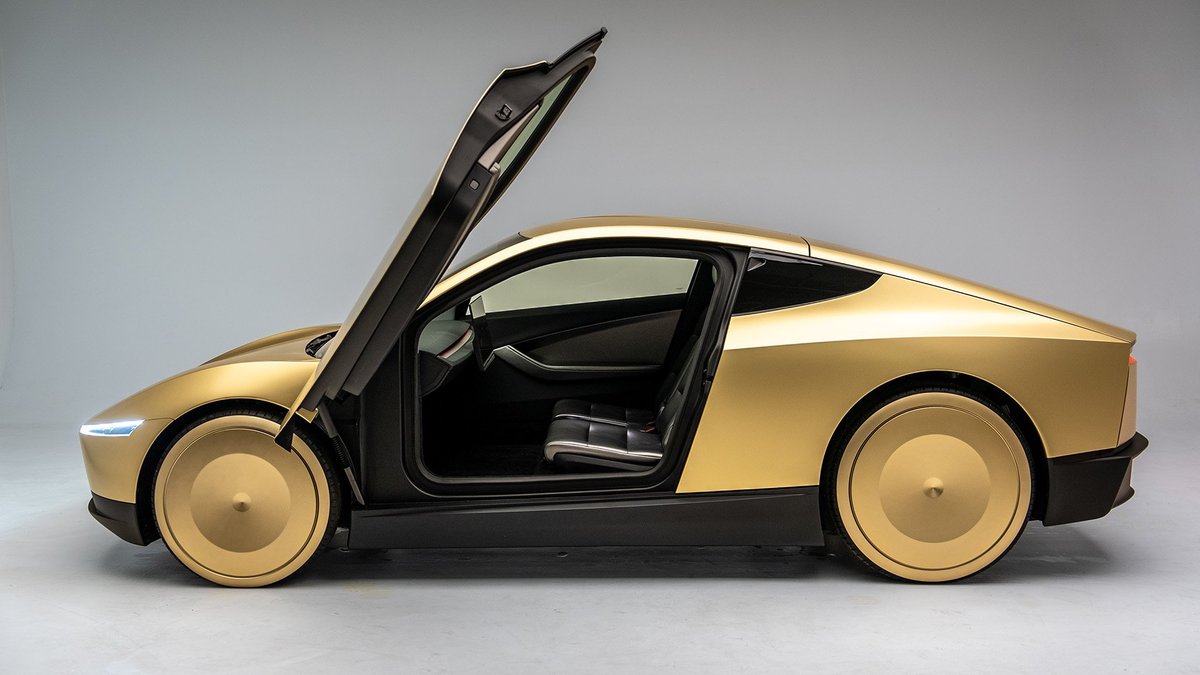
The commercial era of autonomous transportation reached a major milestone as Tesla deployed its Cybercab fleet on public roads in Austin, Texas. Featuring a gold finish and a minimalist two-seat layout, the specialized electric vehicles began taking paid passenger trips following a preview gathering. The initial rollout marks the first time paying passengers can experience Tesla's pedal-less vision.
Initial rides were offered to a select group of enthusiasts before the service opened up more broadly through Tesla's ride-hailing platform. Passengers can request the autonomous two-seater using the updated smartphone app within designated operational zones in Austin. The launch signifies a major shift toward purpose-built driverless architecture operating entirely without traditional human controls or safety drivers inside.
The vehicle relies on camera-based vision processing and neural networks, bypassing the expensive lidar sensors used by rivals. By completely eliminating steering wheels and brake pedals, Tesla is executing its long-standing thesis that vision-only artificial intelligence can safely navigate complex urban environments. However, the system must now prove its reliability across unpredictable real-world traffic scenarios.
Scalability Challenges And Fleet Numbers
While the Austin debut represents a major technical step, regulatory disclosures reveal that the immediate scale remains modest. Vehicle registration data from the Texas Department of Motor Vehicles indicates that only forty-five Cybercabs are currently registered in the state. It remains uncertain how many of these specific vehicles are actively carrying passengers during the initial launch phase.
Across all markets, crowdsourced fleet tracking data estimates Tesla's total driverless operational presence at approximately two hundred and twenty vehicles across six major cities. This fleet includes modified Model Y vehicles already providing rides. In comparison, established market leaders like Waymo operate roughly four thousand autonomous vehicles across fourteen urban centers, highlighting the scale gap Tesla must bridge.
This localized launch comes at a crucial juncture for Tesla's ambitious autonomous transportation timelines. Executive promises previously outlined goals to serve half of the United States population with automated hailing services in the near future. Achieving that level of market saturation will require rapid production scaling, expanded municipal approvals, and proven operational consistency across diverse geographic locations.
Key Operational Rules And Passenger Restrictions
Tesla has established strict age parameters for hailing and riding inside the new two-door vehicle. According to updated user terms published on the company's official website, children under thirteen are strictly prohibited from riding in the Cybercab. Teenagers aged thirteen through seventeen may utilize the service, but only if they are directly accompanied by an adult rider throughout the trip.
Furthermore, account rules explicitly forbid account holders from ordering a Cybercab on behalf of third-party minors. Parents cannot remotely hail a driverless ride to pick up their children after school or social events. These rigid safety guidelines reflect the heightened cautiousness required when deploying fully autonomous passenger vehicles that lack physical interior controls or human monitoring personnel.
Interestingly, technical documentation reveals the Cybercab omits standard ISOFIX or LATCH lower anchor points for child safety seats. However, official vehicle manuals note that a single child seat can be secured using the standard seat belt assembly. While irrelevant for current commercial rides due to age restrictions, this capability suggests future-proofing for prospective individual consumer ownership.
Interior Design And Practical Capabilities
The strict two-seater design choice stems directly from aggregated travel statistics gathered from ride-hailing networks globally. Company representatives noted during technical presentations that approximately eighty percent of urban ride-hailing trips carry only one or two passengers. Omitting the rear seating row allowed engineers to optimize cabin space, maximize aerodynamic efficiency, and drastically reduce manufacturing expenses.
Despite its compact exterior footprint, the Cybercab offers substantial practical storage through a dedicated rear cargo compartment. The trunk features twenty point two cubic feet of usable volume, supporting a total weight limit of two hundred and twenty pounds. According to official specs, this provides sufficient capacity to accommodate two full-sized checked suitcases alongside two carry-on bags.
Passenger interactions with the vehicle rely heavily on automated digital controls. Cabin doors open automatically as authorized passengers approach, or they can be unlocked manually via the app. Once seated inside, occupants control climate, entertainment, and door locking mechanisms through a centralized touchscreen interface, complemented by physical emergency override buttons situated on each door panel.
Future Outlook And Unanswered Questions
Despite the excitement surrounding the Austin commercial debut, several significant commercial questions remain unresolved. Tesla has not detailed precise timelines for when private buyers can purchase a Cybercab for the targeted thirty thousand dollar price tag announced previously. Moving from a controlled hailing network to widespread retail distribution involves complex manufacturing ramps and varying regulatory approvals.
Nevertheless, putting paying customers inside steering-wheel-free vehicles represents a monumental shift for the automotive industry. As Tesla expands its driverless operations across Texas and into prospective new markets, industry analysts and competitors will closely monitor vehicle reliability and safety metrics. The Cybercab rollout marks the true beginning of Tesla's long-awaited transition from automaker to mobility provider.
