
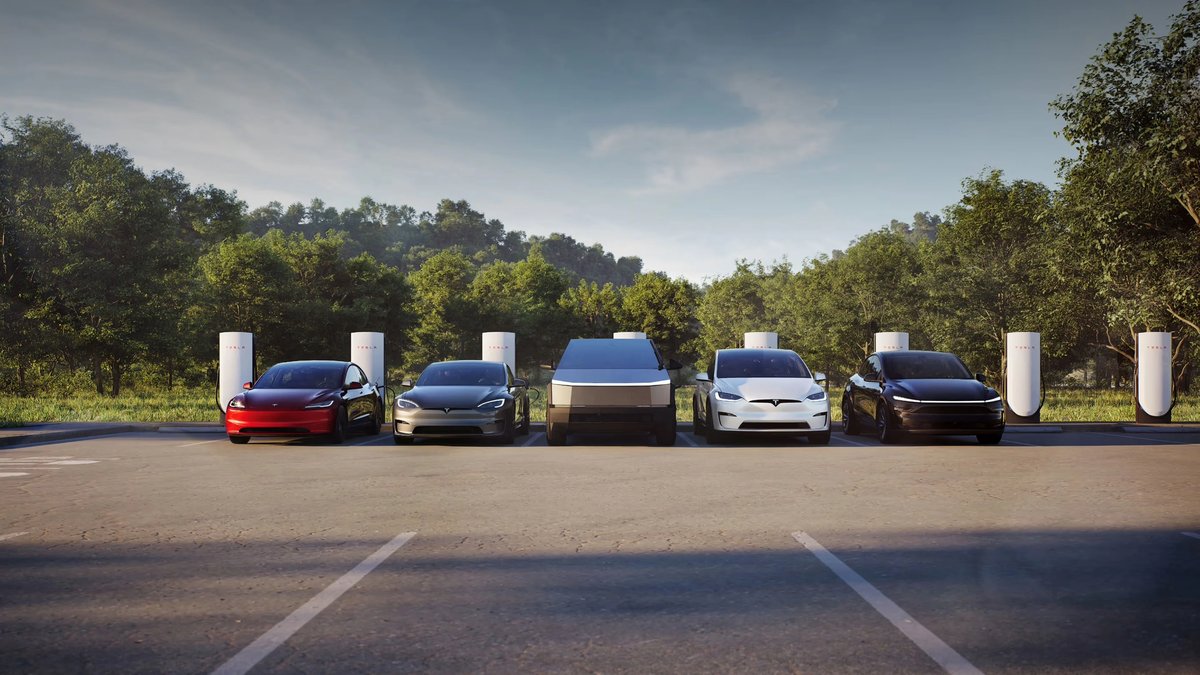
Tesla is initiating a sweeping global overhaul of its mobile service operations to phase out remaining internal combustion support vehicles. According to official company disclosures, the automaker will transition its entire roadside assistance and repair fleet to fully electric platforms by the end of 2026. This move aligns the operational support wing directly with the company overarching mission of sustainable transport.
For years, the EV pioneer relied heavily on converted internal combustion vans to perform on-site repairs and maintenance for customer vehicles. Industry analysts note that replacing these legacy petroleum platforms represents a key step in eliminating indirect corporate carbon emissions. The new operational framework focuses heavily on purpose-built electric service vans designed specifically for heavy-duty field support.
Fleet Conversion Blueprint and Timeline
Engineering data indicates the new fleet will utilize a dual-architecture deployment strategy featuring specialized commercial vehicles alongside modified production models. The primary workhorse will consist of a customized commercial electric van built on an optimized skateboard architecture to maximize interior storage. Smaller mobile units will leverage modified Model Y platforms and Cybertruck service configurations for rugged terrain access.
Regulatory filings highlight a phased roll-out plan beginning across top metropolitan areas in North America before expanding into European markets. Initial deployments focus on high-density regions where mobile service demand frequently outpaces physical brick-and-mortar service center capacity. Global scaling is projected to reach complete fleet transition by the final quarter of 2026.
The standardized service van is engineered around a structural LFP battery pack designed for high durability and long cycle life. According to engineering data, the battery system delivers an estimated operational range of over 250 miles while loaded with heavy machinery. This range ensures field technicians can complete full daily shifts without requiring mid-day fast-charging stops.
Integrated Tooling and Power Architecture
A defining feature of the new mobile service vehicle is its integrated high-voltage power export subsystem. Official company disclosures confirm that technicians can run pneumatic tools, diagnostic hardware, and high-draw tire mounting machinery directly off the main traction battery. This design eliminates the need for noisy auxiliary diesel generators previously carried in standard repair vans.
Engineering data reveals that the vehicle architecture incorporates bi-directional charging capabilities to assist stranded electric vehicles. The service vans can provide high-power vehicle-to-vehicle charging at rates of up to 50 kW to boost depleted customer cars quickly. This capability allows technicians to give stranded drivers sufficient charge to reach the nearest Supercharger station safely.
The internal cabin space has been optimized using modular storage racks, automated inventory scanners, and ergonomic tool extraction systems. Industry analysts observe that organizing parts by frequency of use significantly lowers average repair times at customer residential or workplace sites. Diagnostic suites connect wirelessly to the vehicle under repair, streamlining software recalibrations and hardware swaps.
Operational Efficiency and Cost Metrics
Transitioning from traditional gas vans to electric service platforms promises substantial total cost of ownership reductions for the fleet. Official company disclosures indicate that field maintenance expense per vehicle is projected to fall by over forty percent due to reduced brake wear and lack of oil changes. Combined with cheaper electricity rates relative to retail gasoline, fleet operating expenses will plummet.
Software telemetry integrated into the service fleet provides dynamic route planning and real-time inventory management. According to engineering data, machine-learning dispatch algorithms match oncoming customer service requests with the nearest equipped mobile unit based on stocked components. This intelligent routing decreases unbillable drive time between appointments and increases daily resolved customer tickets.
Depot charging infrastructure is being upgraded simultaneously across regional hub locations to support overnight fast charging for service vehicles. Regulatory filings reveal plans to install dedicated Megacharger stalls and high-capacity battery storage banks at central dispatch depots. This infrastructure ensures mobile units commence daily operations fully charged using clean off-peak renewable energy.
Environmental Impact and Industry Influence
The full electrification of thousands of service vehicles worldwide will result in a measurable reduction of carbon emissions. Industry analysts estimate that replacing internal combustion service vans will eliminate tens of thousands of metric tons of carbon dioxide equivalent per year. Furthermore, zero localized tailpipe emissions will improve air quality across congested urban repair routes.
Automotive market observers consider this fleet shift a crucial demonstration project for commercial vehicle electrification. Official company disclosures indicate that real-world operational telemetry gathered from mobile vans will inform future mass-production commercial vehicle designs. Other commercial fleet operators are closely watching the performance and reliability metrics of these specialized mobile repair units.
By eliminating legacy fossil-fuel support vehicles, the automaker reinforces its brand identity as an end-to-end sustainable transport provider. Industry analysts emphasize that a zero-emission service network closes a significant sustainability loophole in electric vehicle lifecycle management. As final deployment targets near, the converted mobile fleet sets a new benchmark for field service operations across the automotive industry.
