
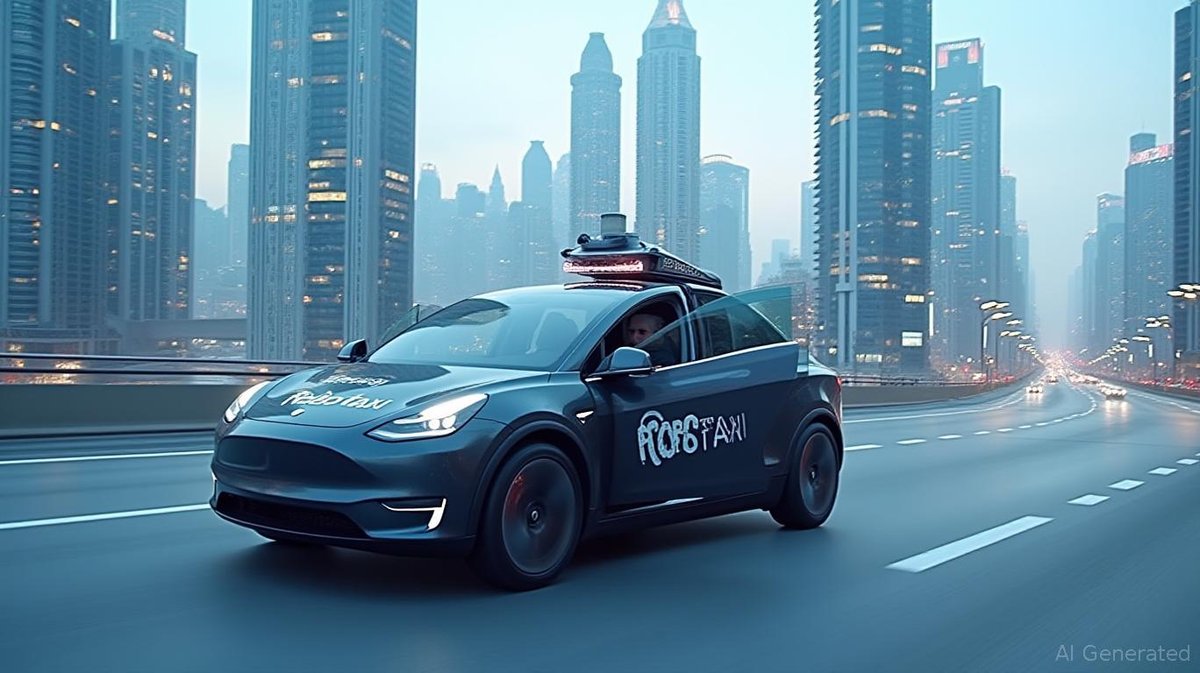
Official company disclosures published this morning outline a landmark commercial insurance framework designed specifically for fully autonomous robotaxi fleets operating in 2026. The comprehensive policy structure establishes clear protocols for commercial ride-hailing coverage without human drivers behind the wheel. Industry analysts view this movement as a vital regulatory bridge required to scale driverless passenger networks globally across urban centers.
The underwriting model relies entirely on real-time neural network telemetry rather than historical human driver demographics. Engineering data indicates that direct vehicle integration enables millisecond-level threat assessment, dynamically adjusting coverage metrics based on weather conditions, traffic density, and software versioning. This shift decouples insurance premiums from legacy human driver metrics, creating a data-driven model tailored strictly to machine operation.
Shift to Manufacturer Liability Standard
Regulatory filings reveal that the new policy explicitly shifts legal liability away from individual vehicle owners to the vehicle manufacturer whenever the driverless system is actively engaged. This structural pivot addresses a long-standing legal bottleneck for Level 4 autonomous vehicle deployment. By accepting primary liability during active software routing, the company streamlines claim management while building user trust.
Continuous onboard sensor logging acts as an immutable black box system during incidents, recording multi-camera video feeds, radar inputs, and control commands. According to engineering data, this precise telemetry allows instant fault attribution between third-party vehicles, environmental factors, and autonomous control software. Automated diagnostic routines upload event logs to secure cloud servers within seconds of any recorded physical impact.
Municipal regulators in key launch markets have expressed cautious optimism regarding this standardized accountability structure. Official company disclosures highlight that municipal authorities will receive direct API access to aggregated safety performance dashboards. Industry analysts observe that transparent safety reporting significantly accelerates municipal permit approvals for unmanned commercial transport, removing major bureaucratic barriers to scale.
Underwriting Architecture and Real-Time Risk
Actuarial models supporting the framework are calculated using billions of real-world miles gathered across diverse transit conditions. Industry analysts note that traditional insurance carriers struggle to accurately price autonomous vehicle risk due to static actuarial tables. In contrast, proprietary in-house underwriting leverages live software performance parameters, resulting in far more precise actuarial precision for commercial ride-hailing operations.
The coverage architecture features a dynamic split risk pool that distinguishes between fully autonomous operation and manual human transit. Official company disclosures explain that individual vehicle owners who enroll their vehicles into the network transition automatically between owner-paid policies and corporate network coverage. This automated toggle eliminates dual-coverage friction and protects private owners from commercial liability during fleet dispatch cycles.
Dispute resolution within the ecosystem utilizes an automated claims portal capable of approving basic property repair payouts within hours. Engineering data shows that collision repair estimates are calculated automatically by processing damage imagery captured by vehicle cameras against factory component price catalogs. This digital workflow radically minimizes administrative overhead while reducing overall claims processing expenses across the driverless network.
Municipal Regulatory Integration and State Approvals
State insurance commissions are currently reviewing filings submitted across top commercial launch jurisdictions nationwide. Regulatory filings indicate that the framework complies with mandatory state minimum commercial umbrella requirements while offering expanded coverage per passenger seat. Industry analysts suggest that state regulators appreciate the standardized framework because it creates predictable legal boundaries for autonomous ride-hailing expansion.
Minimum commercial coverage mandates are set at five million dollars per vehicle, significantly exceeding conventional human ride-share policy thresholds. Official company disclosures clarify that this broad protective layer covers property damage, personal injury, and software malfunction contingencies. By setting high liability caps, the manufacturer aims to reassure public stakeholders while insulating third-party pedestrians and passengers in dense urban centers.
To manage systemic risk exposure, financial backing for the framework utilizes dedicated captive insurance structures backed by major global reinsurers. Regulatory filings demonstrate that top-tier international reinsurance firms have agreed to underwrite secondary exposure layers based on safety data validation. This institutional backing ensures robust capital reserves during unexpected legal or operational challenges in complex metropolitan areas.
Financial Implications for Commercial Operations
The structural reduction in insurance risk drastically reduces total operating costs per mile for autonomous ride-hailing operators. Industry analysts estimate that insurance expenses typically account for up to twenty-five percent of traditional human ride-hailing fare costs. Under the newly unveiled policy structure, projected insurance overhead drops below five cents per passenger mile, unlocking compelling long-term economic efficiencies.
Commercial third-party fleet operators managing localized robotaxi hubs can directly integrate into the unified insurance platform. Official company disclosures state that enterprise operators will gain customized fleet portal management tools that offer transparent risk tracking and predictable per-vehicle daily rates. This unified model simplifies fleet scalability by replacing complex multi-vendor commercial insurance negotiations with a single integrated software ecosystem.
As autonomous fleets prepare to scale commercially throughout 2026, this liability framework establishes a critical template for the broader mobility industry. Engineering data confirms that lower accident frequencies combined with in-house underwriting create unprecedented cost advantages. Industry analysts conclude that establishing dedicated autonomous liability standards marks a decisive step toward mass commercial deployment of driverless vehicle networks worldwide.
