
Uber Launches Autonomous Electric Rides Across London With Wayve
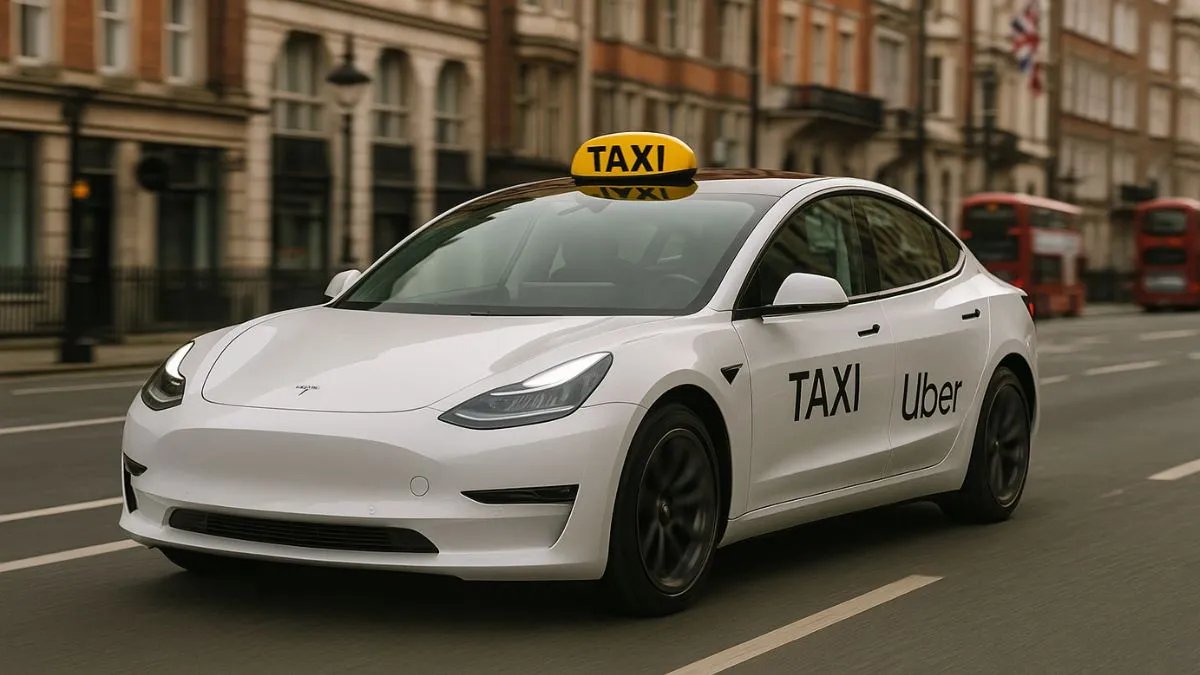
Urban mobility in the United Kingdom reached a pivotal milestone as ride-hailing platform Uber and artificial intelligence pioneer Wayve launched Britain’s first autonomous passenger deployment across London. The initiative allows commuters requesting options like UberX, Uber Electric, or Uber Comfort to be matched with an autonomous electric vehicle across central thoroughfares.
The initial fleet features specially modified Ford Mustang Mach-E electric crossovers equipped with Wayve’s proprietary hardware suite. Multiple camera sensors, radar units, and onboard computing modules wrap around each car to generate a real-time spatial model. Industry disclosures confirm these smart electric vehicles are now actively integrated into Uber’s London dispatch network.
Despite the advanced automation driving the hardware, these vehicles do not operate completely unassisted. A licensed Transport for London driver remains behind the wheel during every journey. These safety operators stand ready to intervene if complex roadworks or unpredictable conditions arise, maintaining compliance with existing British regulatory standards.
How the Wayve AI Platform Operates on London Streets
Unlike legacy self-driving software that relies on hyper-detailed mapping and rigid coding, Wayve utilizes an end-to-end deep learning architecture. This embodied artificial intelligence framework processes live sensor data to make instant navigational choices. Having trained on complex British roadways since 2018, the software continuously adapts to unstructured urban environments.
Navigating London presents unique engineering challenges rarely encountered on grid-based roadways. The AI software platform must negotiate narrow historic lanes, unexpected street closures, chaotic roundabouts, variable weather, and dense pedestrian traffic. Machine learning algorithms interpret non-verbal driving cues while reacting safely to sudden detours across the capital’s intricate road network.
The visual hardware fitted onto the Mustang Mach-E fleet captures high-resolution imagery from all angles around the vehicle. Onboard computers convert these sensor feeds into dynamic control commands. Technical documentation highlights that the software platform is vehicle-agnostic and sensor-agnostic, allowing rapid adaptation to diverse international automotive fleets.
The Passenger Experience Inside the Autonomous Fleet
Accessing the autonomous fleet requires no extra fees or separate software downloads. Passengers manage their participation through the Trip Preferences menu in the standard Uber app. Regulatory updates indicate over 140,000 Londoners have already opted in, demonstrating strong public interest in experiencing commercial autonomous transit technology firsthand across the capital.
When matched with an autonomous Mustang Mach-E, riders receive an in-app alert detailing the vehicle type and software setup. Passengers retain complete control and can decline the autonomous ride in favor of a standard driver without penalty. Upon vehicle arrival, riders unlock the doors using the app and initiate their trip.
Inside the vehicle, interactive touchscreens display real-time route visualizations and active perception data. The cabin interface supports 64 languages to assist international commuters. While coverage spans much of London, current operations exclude airport routes, focusing strictly on core metropolitan transit corridors during this initial commercial launch phase.
Regulatory Framework and the Pathway to Driverless Cars
The deployment aligns with evolving UK autonomous vehicle governance frameworks. Government authorities opened commercial pilot applications in May, setting clear standards for safety protocols, cybersecurity, and local council approvals. However, driverless commercial deployment without human safety monitors requires further regulatory clearance, keeping supervised fleets at the forefront.
Full implementation of the landmark Automated Vehicles Act is expected by the second half of 2027. Once active, the legal structure will define manufacturer liability and operational requirements, establishing a clear pathway for driverless robotaxis. Supervised commercial trials provide vital real-world data necessary to inform these long-term legal standards.
By logging extensive mileage across real-world traffic scenarios, developers aim to demonstrate clear safety performance advantages. Supervised passenger testing enables regulatory bodies to evaluate vehicle behavior, fall-back systems, and urban infrastructure integration. This structured approach builds public confidence while systematically laying the foundation for future uncrewed operations.
Global Expansion Plans and Future Mobility Infrastructure
This London launch represents the initial phase of a strategic international alliance between Uber and Wayve. Backed by corporate investment, the partnership plans to deploy Wayve-powered vehicles across Uber’s network in 12 global markets. Combining ride-hailing infrastructure with adaptive AI accelerates the deployment of commercial autonomous transportation worldwide.
The next international deployment will take place in Tokyo later this year. That phase will deploy Nissan Leaf electric vehicles powered by Wayve’s machine learning software running on high-performance NVIDIA DRIVE Hyperion hardware. The expansion demonstrates how vision-centric artificial intelligence adapts across different global traffic structures and vehicle platforms.
As commercial transit moves toward greater automation, collaborations between software firms and ride-hailing networks are reshaping modern transport infrastructure. The London service demonstrates that AI-driven vehicles can integrate smoothly into active ride-hailing fleets today. Future expansions will highlight how effectively end-to-end machine learning scales across global urban centers.
