
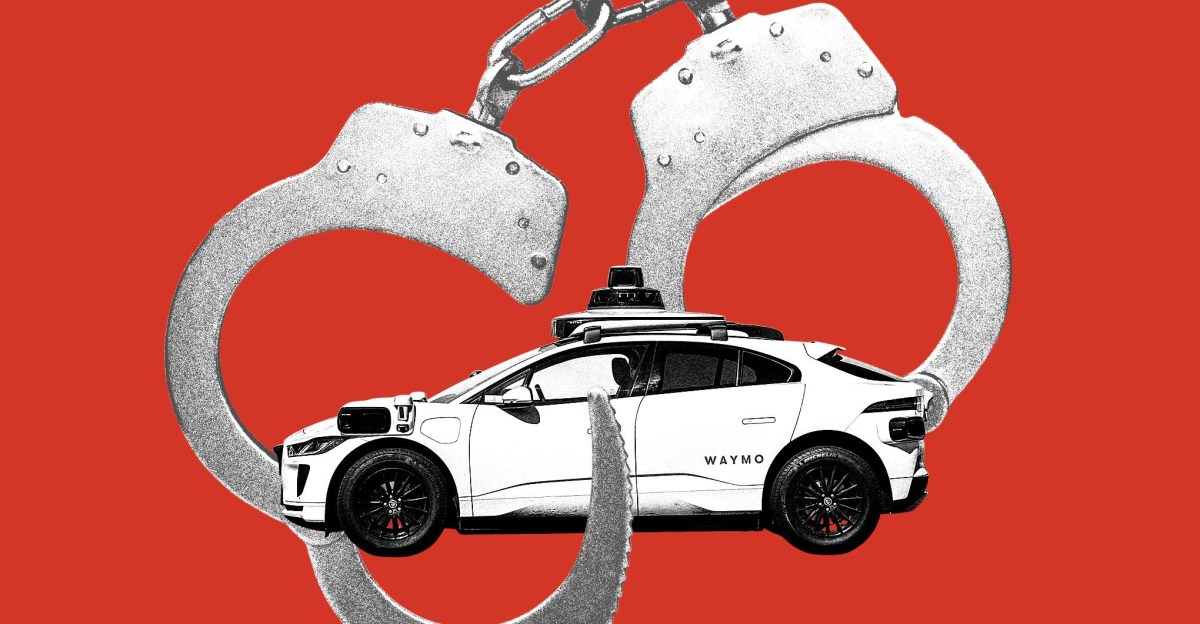
How Driverless Robotaxis Are Becoming Mobile Police Informants
An Algorithmic Dispatch to Law Enforcement
When two teenagers boarded a driverless vehicle in Southern California earlier this fall, they expected a routine autonomous commute across the city. Instead, their trip ended abruptly in handcuffs after the vehicle’s onboard artificial intelligence system detected a loaded firearm inside the cabin. The vehicle automatically pulled to the curb, locked down, and summoned local law enforcement officers directly to the location.
Responding officers arrested the passengers after allegedly recovering an illegal, untraceable handgun inside the vehicle. While the incident resulted in the removal of a dangerous weapon from public streets, it simultaneously ignited a fierce debate over passenger privacy. For the first time, an autonomous vehicle acted not merely as a passive observer of a crime, but as an active informant initiating police intervention.
Company spokespeople confirmed that internal optical sensors actively monitor passenger behavior to enforce safety terms of service. Automated computer vision software actively scans the cabin for contraband, prohibited items, and safety threats. When a violation involves a firearm, the system initiates emergency protocols, escalating potential threats directly to company monitoring teams and law enforcement agencies.
The Fine Line Between Safety and Surveillance
The incident highlights a critical shift in how self-driving fleets handle internal data collection and surveillance. Unlike human rideshare drivers who make discretionary judgments about calling emergency services, autonomous vehicles operate on predefined algorithms. These machine learning models continuously analyze high-definition video feeds captured by interior cameras, translating raw visual data into immediate operational decisions.
Law enforcement agencies have increasingly relied on autonomous vehicle footage to solve external crimes. Regulatory disclosures reveal that police departments routinely submit search warrants to secure video captured by exterior sensors. Previous investigations involved retrieving footage to solve hit-and-run accidents or identifying individuals involved in street protests where driverless vehicles were targeted and vandalized.
However, actively monitoring cabin interiors introduces unprecedented privacy risks for daily commuters. Privacy advocates draw parallels to license-plate tracking networks that monitor vehicle movements across municipal boundaries. Yet, autonomous fleets go a step further by deploying high-resolution cameras both inside and outside the vehicle, creating a mobile surveillance apparatus capable of tracking actions in real time.
Inside the Computer Vision Warning System
Technical experts in autonomous systems explain that object recognition software relies on deep learning models trained to flag anomalous visual patterns. Rather than requiring absolute certainty, the software flags potential matches based on geometric characteristics and spatial orientation. When an object resembling a weapon is detected, the algorithm immediately triggers a critical flag within the vehicle's management software.
According to former autonomous vehicle engineers, automated alerts typically loop in remote human operators for rapid verification. These remote safety specialists evaluate the live video feed to confirm the threat before determining whether to pull the vehicle over and alert authorities. This human-in-the-loop architecture aims to reduce false positives while ensuring rapid response times during high-risk scenarios.
Despite these explanations, autonomous operators remain tight-lipped regarding the specific technical thresholds required to trigger emergency dispatches. Companies have not publicly clarified what confidence scores are required before flagging objects, nor have they listed all terms-of-service violations that could result in police intervention. This lack of transparency leaves passengers uncertain about what behaviors trigger automated reports.
Expanding the Scope of Vehicle Data Collection
As commercial robotaxi deployments expand across major metropolitan markets, the volume of collected visual data continues to multiply exponentially. Every ride generates gigabytes of spatial data, interior audio, and high-definition visual recordings. Fleet operators argue that continuous monitoring is essential for passenger safety, fleet maintenance, and resolving property damage disputes between consecutive rides.
Nevertheless, legal scholars caution that passenger expectations of privacy inside an autonomous cab differ significantly from public spaces. Riders often treat the enclosed cabin of a robotaxi as a private sanctuary, unaware of the automated scrutiny happening overhead. The integration of real-time object detection blurs the boundary between private transit service and automated law enforcement surveillance.
Industry analysts point out that without clear federal standards governing interior vehicle surveillance, fleet operators maintain wide latitude over data retention and reporting policies. While operators emphasize their commitment to public safety, privacy rights organizations warn that mission creep could eventually extend automated reporting to less severe infractions, including open alcohol containers or minor vandalism.
Regulatory Gaps in Autonomous Passenger Privacy
Current transportation regulations focus heavily on vehicle safety, collision avoidance, and operational reliability, largely ignoring digital privacy standards. Municipalities granting operational permits rarely dictate how companies process interior sensor data or share information with law enforcement. Consequently, autonomous vehicle companies are largely left to self-regulate their internal monitoring protocols.
Moving forward, lawmakers face growing pressure to establish clear guidelines regarding passenger data protection in driverless vehicles. Mandating transparent reporting policies, strict warrant requirements, and clear passenger notifications will be crucial as autonomous fleets become mainstream urban transit. Without comprehensive regulation, commuters may soon discover that their private ride is constantly watching, analyzing, and reporting their every move.
