
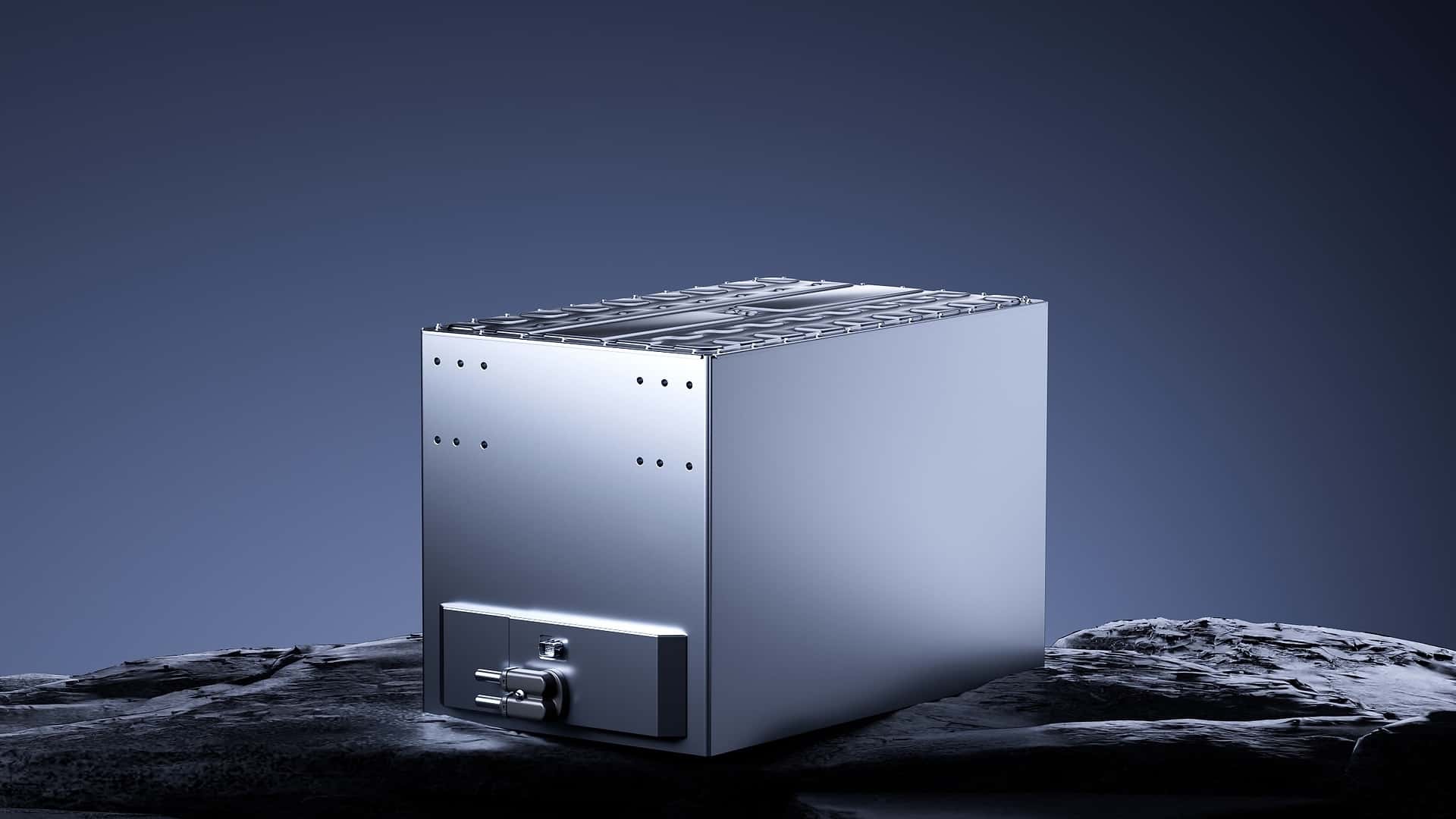
CATL Unveils 620-Mile Electric Truck Battery Architecture
For decades, commercial fleet managers have prioritized three essential metrics above all else: payload capacity, operational uptime, and total cost of ownership. While consumer electric vehicles sell on sleek design and acceleration, heavy transport demands rugged practicality. Battery manufacturer CATL has responded directly to these requirements with the launch of its Tectrans II modular battery architecture, engineered to systematically dismantle diesel's historic advantages in medium and heavy-duty commercial freight.
Unveiled at the IAA Transportation expo in Germany, the new battery system targets commercial trucks and transit buses facing stringent global emissions standards. The platform promises to alter the economics of long-haul logistics by offering energy storage solutions that match the rigorous demands of multi-shift fleet operations. With modular configurations tailored for varying vehicle sizes, the platform serves as a direct challenge to internal combustion dominance across key shipping corridors.
Eliminating the Range Deficit in Commercial Transport
Range anxiety in the heavy transport sector is not merely a convenience issue; it is a fundamental business risk. In its largest heavy-duty configuration, CATL’s Tectrans II system provides up to 620 miles (1,000 kilometers) of driving range on a single charge. This mileage allows long-haul trucks to traverse major regional supply chains without requiring repeated stops to replenish their energy reserves along the route.
Achieving a 620-mile single-charge range bridges the gap between conventional diesel long-haul rigs and zero-emission vehicles. By matching or exceeding the single-shift distance capabilities of standard diesel engines, the system allows logistics companies to schedule routes without altering established delivery timelines. This performance expansion represents a significant shift toward decarbonizing primary freight routes without sacrificing operational flexibility.
Minimizing Downtime With Megawatt Flash Charging
In commercial logistics, extended charging times represent unrecoverable financial losses due to idle assets and delayed shipments. To mitigate prolonged vehicle downtime, the Tectrans II architecture integrates advanced megawatt fast-charging capabilities. According to technical specifications provided at the unveiling, the battery can charge from 10% to 80% capacity in just 25 minutes when connected to high-output megawatt charging infrastructure.
Replenishing the majority of the pack's energy in less than half an hour aligns neatly with mandatory driver rest periods mandated by international labor regulations. Fleet drivers can initiate a charge during standard meal breaks or inspection stops, ensuring the vehicle returns to active service immediately afterward. This rapid throughput dramatically increases daily asset utilization compared to earlier generation commercial electric vehicles.
Optimizing Payload and Structural Engineering
Historically, the sheer weight of heavy-duty EV battery packs has reduced cargo weight allowances, forcing transport operators to carry lighter loads. The Tectrans II system tackles this penalty directly through an upgraded energy density rating of 170 Wh/kg. According to industry engineering analyses, this represents an approximate 13% improvement in gravimetric efficiency compared to existing commercial EV battery systems.
This increased energy density translates to an extra 1,325 pounds (0.6 metric tons) of usable payload capacity for equivalent battery sizes. Freight operators can maximize cargo revenue per trip without exceeding legal gross vehicle weight ratings. The modular pack construction also features an armored, crush-resistant outer frame designed to withstand extreme road impacts, alongside redundant battery management controls to prevent complete system shutdowns.
Unlocking Commercial Longevity Over 900,000 Miles
The financial viability of commercial electric fleets relies heavily on long-term battery degradation rates. To justify high upfront equipment investments, battery systems must maintain operational capacity over hundreds of thousands of demanding duty cycles. CATL designed the Tectrans II architecture to retain at least 70% of its original energy capacity after 12 years of continuous operational service.
Over its service life, the system is engineered to endure more than 930,000 miles (1.5 million kilometers) of intensive commercial driving. This extended lifespan ensures that the battery can outlast the primary service period of the chassis itself. By minimizing capacity loss over nearly a million miles, fleet operators can achieve predictable total-cost-of-ownership projections and higher resale values for pre-owned electric transport assets.
The Shifting Economics of Global Freight Fleets
The arrival of advanced heavy-duty battery architectures coincides with accelerating global competition in the electric commercial vehicle segment. At the same European trade exhibition, multiple major manufacturers demonstrated expanding freight portfolios. These include European-spec long-haul electric semis and competitive offerings from international manufacturers planning rapid expansion into Western transport markets alongside specialized high-power charging network buildouts.
Market adoption data indicates that commercial fleets are transitioning rapidly where economic incentives and technology align. Recent industry reports reveal that electric models captured nearly 30% of heavy-duty truck sales in China last year, driven by strong policy incentives and falling battery costs. As energy density increases and downtime declines, commercial electric vehicles are steadily transitioning from niche sustainability projects into mainstream fleet investments.
Ultimately, the commercial transportation sector is moving toward electrification faster than many industry observers anticipated. Systems like Tectrans II directly address long-standing operational hurdles surrounding range, charging speed, weight, and component durability. As infrastructure expands to match these high-performance battery platforms, diesel engines face their most formidable challenge yet on global highways.
