
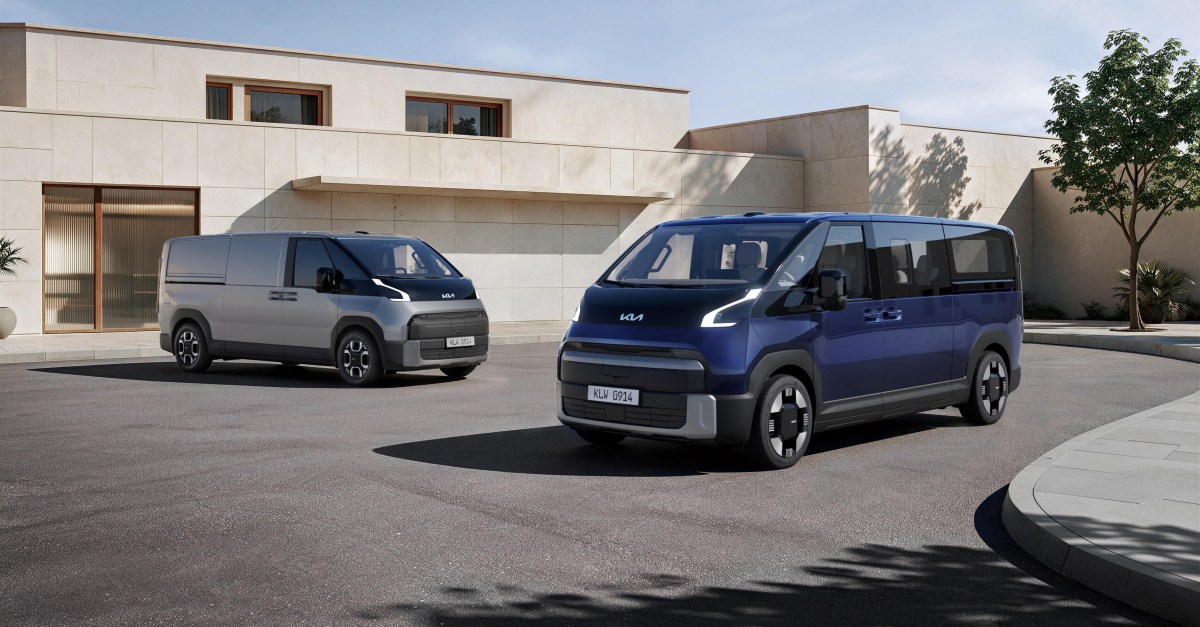
Kia Unveils PV7 Electric Van To Expand Commercial Lineup
The global automotive landscape is witnessing a noticeable resurgence in functional, high-capacity vehicles as buyers seek versatile alternatives to standard crossovers. Minivans and modular people movers are steadily regaining traction among fleet operators and retail consumers alike. Capitalizing on this shifting consumer interest, Kia has officially expanded its electric commercial strategy with the public unveiling of the new PV7 model.
Debuting at the IAA Transportation event in Germany, the PV7 represents the second major entry in Kia’s dedicated Platform Beyond Vehicle architecture. Following the smaller PV5 model, this new vehicle expands the company’s zero-emission portfolio with significantly larger dimensions. Designed to serve both commercial logistics and passenger transportation, the multi-purpose EV aims to reshape modern mobility solutions.
The newly revealed PV7 is approximately two feet longer than its PV5 sibling, providing a substantial boost in internal cargo capacity and passenger accommodations. Kia intends to market the vehicle in two distinct configurations: a fully trimmed passenger model and a high-volume cargo variant. This dual-track approach ensures that both commercial fleet managers and family-oriented buyers are accommodated.
A Larger Evolution in Purpose-Built Electric Vehicles
At the heart of the PV7 lies Kia’s dedicated E-GMP.S modular architecture, engineered specifically for purpose-built vehicles. This specialized chassis features a completely flat floor layout, minimizing structural intrusion and maximizing interior volume. By eliminating traditional mechanical driveline obstructions, the platform allows for seamless loading, unloading, and custom compartmentalization across various commercial applications.
The underlying philosophy behind Kia’s platform initiative stems from a flexible chassis concept first previewed at global tech expos. The modular engineering framework allows for adaptable body configurations behind a fixed driver cabin. While early concepts teased fully swappable vehicle bodies, the production PV7 delivers a refined, highly practical iteration tailored for high-efficiency enterprise and transport demands.
The debut arrives as practical, space-efficient transport options experience renewed momentum in key global markets. In North America, recent industry sales data highlights a surprising 21 percent growth surge in the minivan segment. Consumers are increasingly turning toward boxier, utility-focused designs that prioritize practical cabin ergonomics over traditional, overly aggressive SUV styling cues.
Advanced Engineering and Battery Capabilities
Underneath its modular bodywork, the PV7 packs competitive hardware designed for long-distance durability and rapid turnaround times. Kia offers two distinct lithium-ion battery choices: an entry-level 71.5 kWh nickel-manganese-cobalt pack and a larger 96.2 kWh high-capacity variant. These powertrains ensure that operators can balance initial acquisition costs against operational range requirements.
According to regulatory filings under European WLTP testing standards, the Cargo Long-Range configuration achieves up to 460 kilometers (approximately 286 miles) on a single charge. While domestic EPA figures typically run slightly lower due to differing test cycles, the underlying efficiency demonstrates robust performance capabilities for urban logistics and regional shuttle services.
Charging infrastructure support is equally robust thanks to an advanced 800-volt electrical architecture. When connected to a 350 kW DC fast charger, the PV7 can replenish its battery from 10 to 80 percent in under 25 minutes. Additionally, integrated Vehicle-to-Load outlets provide external power, allowing operators to run heavy tools and mobile electronics directly from the vehicle.
The interior tech ecosystem centers around Kia’s proprietary Pleos Connect operating system, built upon an Android Automotive foundation. The system integrates advanced Gleo AI natural-language voice processing, allowing drivers to manage route navigation, climate controls, and fleet telematics seamlessly without taking their eyes off the road during demanding driving schedules.
Futuristic Styling Meets Utility and Comfort
Visually, the PV7 avoids the bland aesthetics typically associated with utility vans. The front fascia features a distinctive two-tone layout, highlighted by a dark upper fascia that seamlessly wraps into the windshield frame for a sleek, visor-like appearance. This bold styling direction imparts a distinctly modern personality while maintaining aerodynamic efficiency.
Practical design cues dominate the vehicle’s profile and lower perimeter. Rugged plastic body cladding lines the lower edges to protect against urban scuffs, while an upright stance and flat roofline maximize interior headroom. Distinctive squarish multi-spoke alloy wheels complete the look, balancing rugged enterprise durability with clean, forward-thinking futuristic design aesthetics.
The expansive interior volume lends itself exceptionally well to specialized upfitting and conversion projects. Whether configured for cargo logistics, mobile workspaces, or passenger transport, the boxy geometry ensures minimal wasted space. Vehicle upfitters will find the standardized flat-floor layout particularly advantageous when installing custom shelving, tool racks, or executive seating arrangements.
Market Outlook and North American Prospects
Kia has officially confirmed that the PV7 will launch initially in Europe and South Korea during the second half of 2027. Following the primary rollout, additional regional derivatives and specialized conversion variants will join global production lines. Fleet managers across European urban zones are expected to be among the earliest adopters of this platform.
Although North American availability remains unconfirmed by official corporate statements, recent industry sightings of camouflage-wrapped test mules on American highways suggest potential local evaluation. Bringing an affordably priced, highly capable electric van to North America could satisfy a growing demand among cost-conscious commercial fleets and adventurous retail buyers seeking spacious zero-emission transport.
