
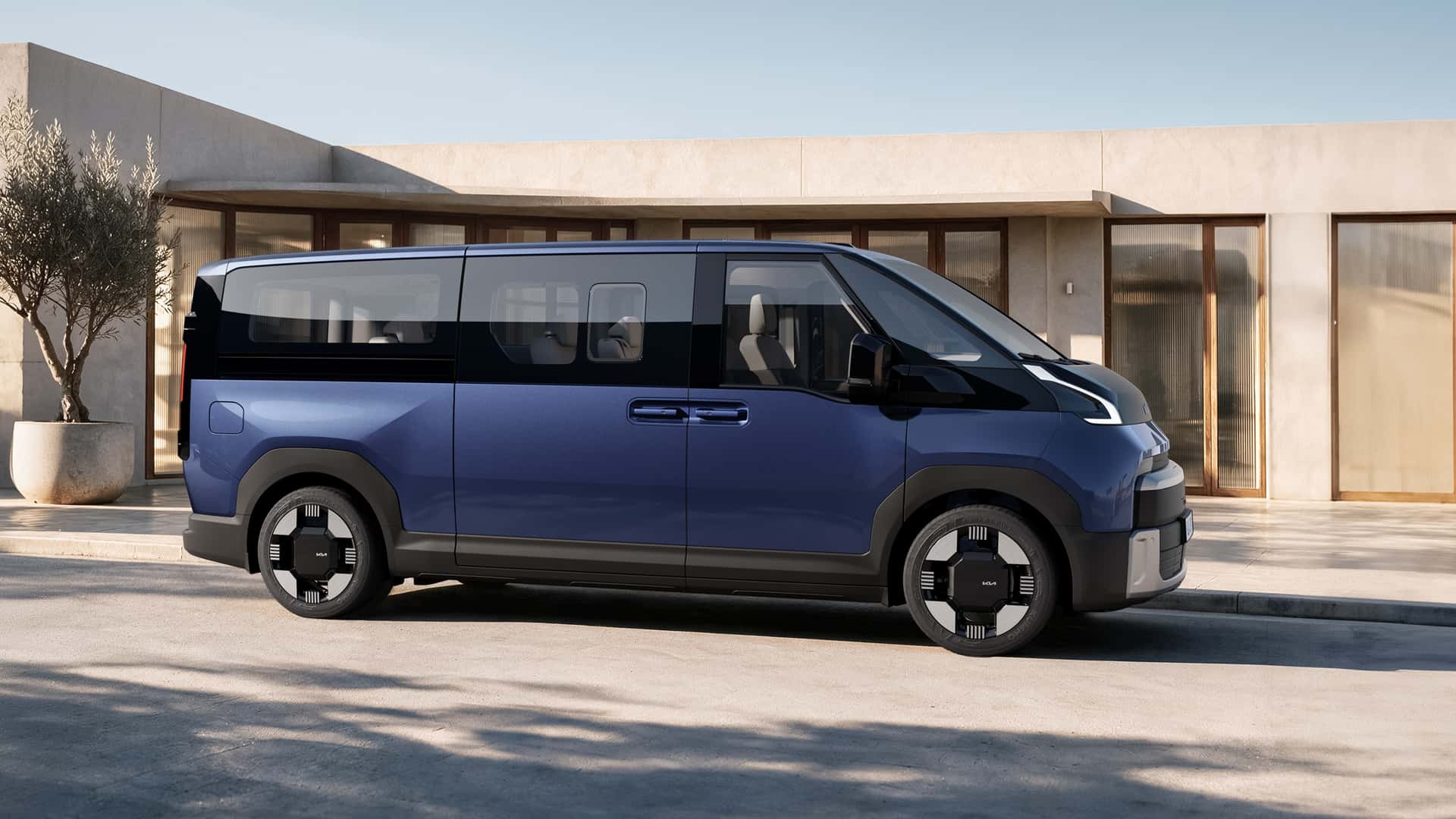
Kia Reveals Large PV7 Electric Van With 800V Architecture
Expanding the Purpose-Built Vehicle Lineup
Kia is expanding its line of dedicated commercial electric vehicles with the upcoming debut of the PV7, a larger and more advanced sister model to the award-winning PV5. Building upon the foundational success of its predecessor, the new PV7 introduces enhanced cargo capacity, longer driving range, and superior electrical performance. It represents a significant step forward for the brand’s specialized platform strategy.
Industry filings reveal that the PV7 shares the sleek, futuristic design language introduced by the smaller PV5 while offering noticeably stretched dimensions. This longer footprint enables Kia to target a wider variety of commercial operations, fleet logistics operators, and passenger shuttle services requiring additional internal volume. The vehicle is engineered to provide maximum operational versatility without sacrificing urban maneuverability.
By applying lessons learned from previous electric work vehicles, Kia is positioning the PV7 as a comprehensive solution for zero-emission logistics. Official vehicle documentation confirms that both dedicated cargo variants and high-capacity passenger configurations will enter production. The modular approach allows businesses to customize the van’s layout to match specific operational demands and route requirements efficiently.
Next-Level Battery Tech and 800-Volt Architecture
Under the floorboards, the PV7 brings substantial hardware upgrades over earlier electric van concepts. The base model adopts a 71.5 kWh battery pack, which served as the extended-range option on the smaller PV5. Fleet buyers looking for maximum capability can opt for an exclusive 96.2 kWh battery pack designed specifically for demanding routes and heavier payloads.
At launch, all PV7 models will utilize a single-motor, front-wheel-drive powertrain capable of generating 268 horsepower and 310 lb-ft of torque. This initial setup provides ample pull for heavily loaded urban delivery routes. Regulatory disclosures indicate that a dual-motor, all-wheel-drive configuration is also planned for future release, offering enhanced traction for challenging weather conditions.
Equipped with the high-capacity 96.2 kWh pack, the PV7 achieves an estimated maximum range of 289 miles under the WLTP test standard. To minimize downtime, the vehicle incorporates an advanced 800-volt charging architecture. When connected to a 350 kW DC fast charger, the battery can replenish from 10 to 80 percent state-of-charge in approximately 20 minutes.
Engineered for Maximum Worksite Efficiency
The commercial-focused PV7 Cargo variant will be offered in three primary body configurations: Compact, Long, and High Roof. The High Roof version dramatically increases vertical cargo room, expanding total load volume substantially compared to standard models. This wide range of physical options ensures that urban couriers and specialty tradespeople can select the exact footprint required.
Practicality remains a core focus of the cargo platform’s engineering specifications. The Compact version delivers a maximum payload capacity of 2,646 pounds, while the extended Long model supports up to 2,568 pounds. Additionally, the Long body features a low 550 mm loading height, allowing operators to easily fit three full-size Euro pallets into the rear cargo bay.
Kia offers functional options for rear access, including a standard upward-lifting tailgate or dual barn-style doors that swing open widely. An optional load-through bulkhead permits long pipes or ladders to extend into the cabin area. To assist with towing and heavy hauling, a specialized Heavy Load Driving mode recalibrates powertrain response and chassis dynamics automatically.
Technology integration extends to everyday workflow efficiency. Fleet operators can utilize a Smart Walkaway system that automatically secures and closes the side sliding doors when the driver steps away with the key. Drivers can also remotely monitor the status of the tailgate through integrated fleet telematics, reducing security risks during fast-paced delivery schedules.
Premium Transport for Shuttling and Families
For passenger transport operations, the PV7 Passenger model shifts focus from cargo volume to occupant comfort. International markets will offer flexible seating configurations accommodating seven or nine passengers, while domestic South Korean units will offer up to an 11-seat arrangement. This makes the van ideal for hotel shuttles, airport transit, and large family fleets.
Rear occupants benefit from dedicated climate controls and multiple 100W USB-C charging ports capable of powering laptops and mobile electronics. The interior features Long-Rail Easy Remove Seats, allowing operators to quickly reconfigure the cabin layout or remove seats entirely when extra luggage space is needed for airport runs or specialized events.
Global Rollout and Commercial Market Impact
According to commercial division roadmaps, the Kia PV7 is scheduled to launch officially in South Korea and key European markets in 2027. Production will leverage specialized assembly lines engineered specifically for purpose-built vehicles, ensuring high build quality and streamlined manufacturing throughput to meet expected commercial fleet demand across overseas territories.
While North American availability remains unconfirmed, industry analysts note that a vehicle of the PV7's scale and capability would address a growing demand for electric commercial vans in the United States. Its combination of rapid 800-volt charging, generous payload, and modular body options positions it as a highly competitive contender in the global commercial EV space.
